What International Families Should Know About Credential Evaluation Services
Reading time: 9 minutes
Your daughter graduated top of her class in Manila. Your husband holds a decade of engineering experience in Lagos. You yourself finished a nursing degree in São Paulo. Now you’re standing in a school district office—or a hospital HR department—in Toronto, Melbourne, or Chicago, and someone is asking for a piece of paper you’ve never heard of: a “credential evaluation report.” Suddenly, years of hard-earned education feel invisible.
You’re not imagining the frustration. In 2026, more than 281 million people live outside their country of birth, according to updated UN migration estimates, and a growing share of them are families relocating for work, safety, or better opportunities. Nearly every one of them eventually bumps into the same bureaucratic wall: how do you prove that a diploma from one country means something in another?
Table of Contents
- What Credential Evaluation Actually Does
- Why Families Need This More Than Individuals Realize
- Types of Evaluations You’ll Encounter
- How the Process Works, Step by Step
- Common Challenges (and How to Solve Them)
- Comparing Evaluation Services: What Matters
- FAQs
- Your Roadmap Forward
What Credential Evaluation Actually Does
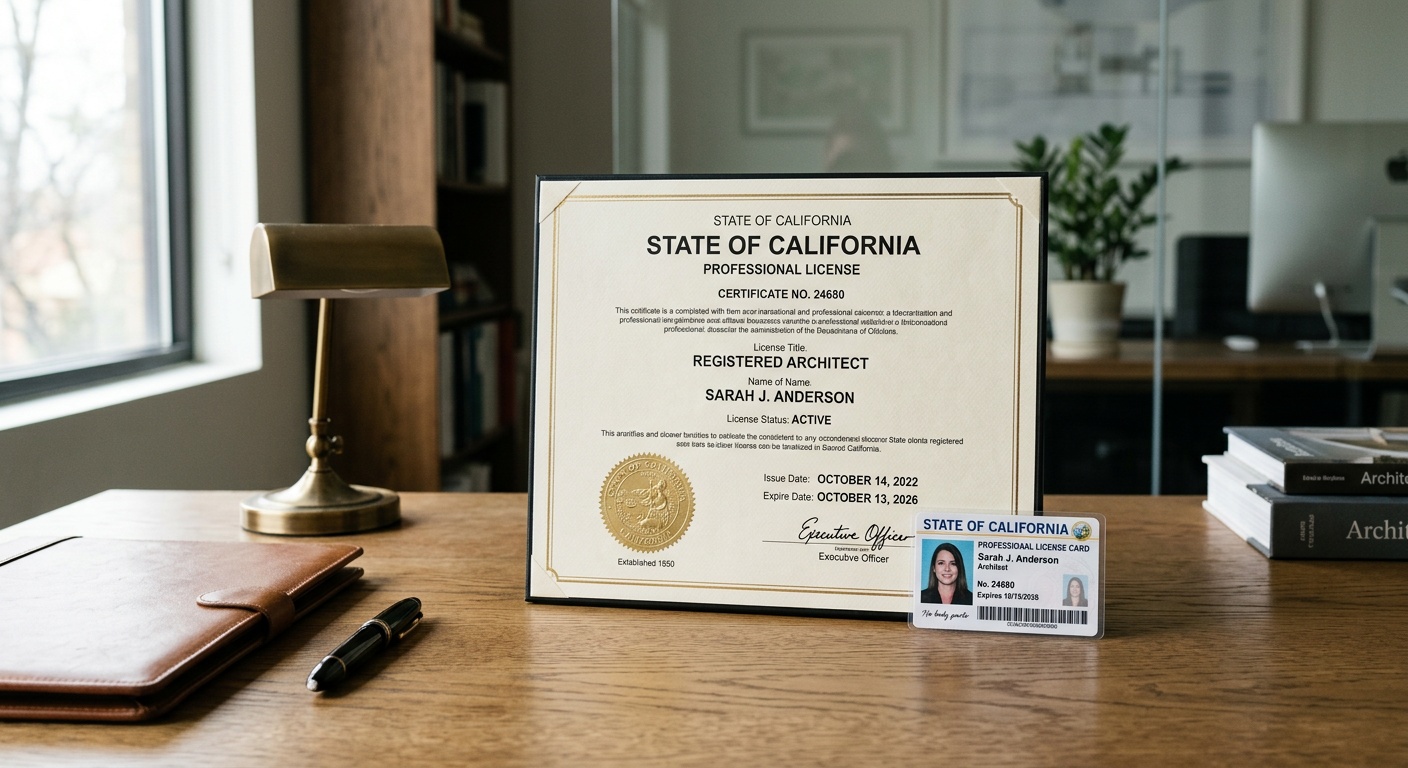
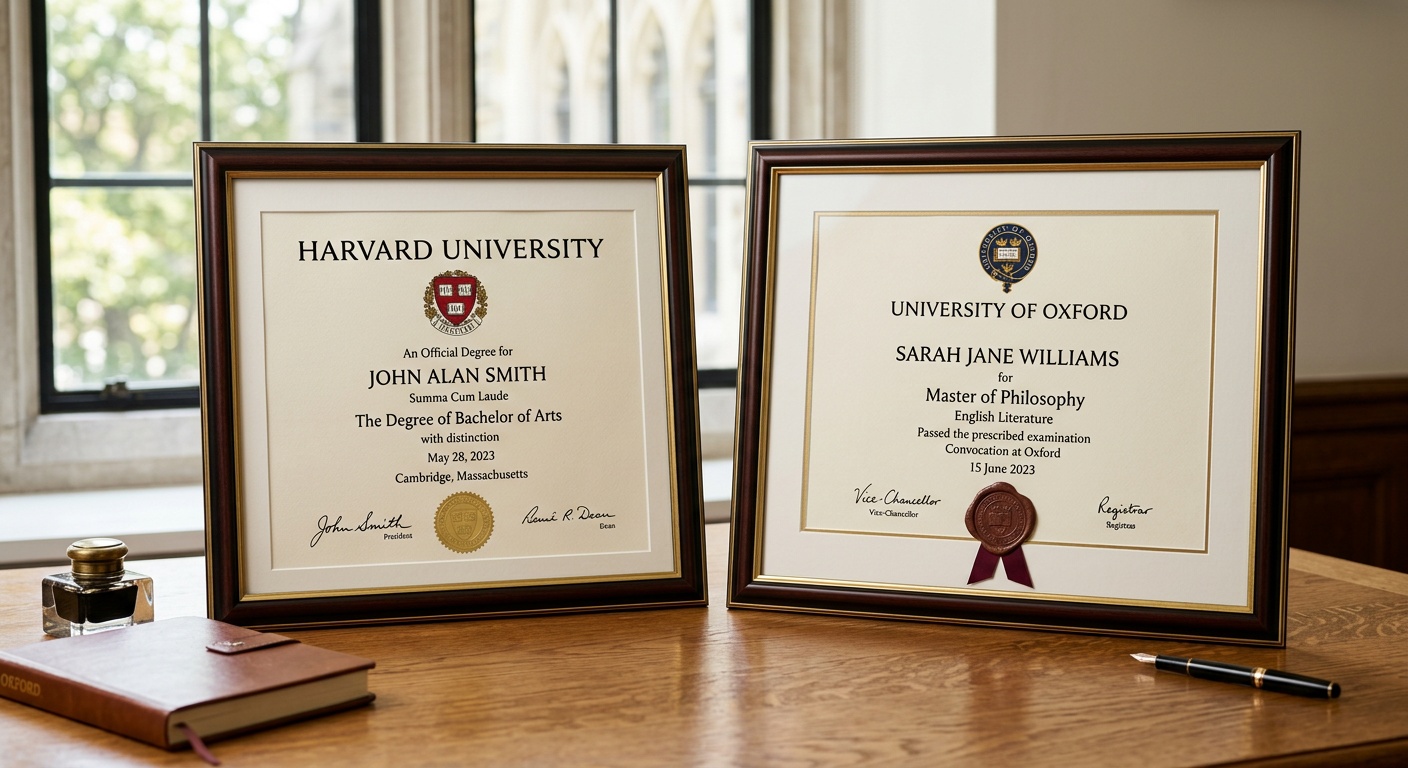
Let’s demystify this. A credential evaluation service compares your foreign education—degrees, diplomas, transcripts, professional certifications—against the standards of the country you’re moving to. The output is usually a formal report stating something like: “This four-year Bachelor of Science degree from the University of Nairobi is equivalent to a U.S. Bachelor’s degree in Biology.”
That single sentence can unlock a job application, a university admission, a professional license, or even an immigration point-based visa score. Without it, employers and institutions have no standardized way to interpret your qualifications, so they often default to rejection or steep underestimation—placing a mechanical engineer in an entry-level technician role, for instance.
The Difference Between “Evaluation” and “Translation”
Here’s a mix-up that trips up almost every newly arrived family: a certified translation is not the same as a credential evaluation. Translation converts the language on the document. Evaluation converts the *meaning and academic weight* of the document into terms the receiving country understands. Most agencies require both, and skipping one is one of the most common reasons applications get delayed.
Why Families Need This More Than Individuals Realize
When one person immigrates, there’s usually one credential to evaluate. When a family immigrates, there can easily be four or five—a spouse’s engineering degree, a teenager’s high school transcripts for college admission, a professional license for nursing or teaching, even a trade certificate for HVAC repair. Each may need a different type of report, submitted to a different authority, on a different timeline.
Consider the Haddad family, who relocated from Beirut to Sydney in early 2025. Both parents held university degrees; their eldest child was applying to an Australian university. They assumed one evaluation would cover everyone. It didn’t. The father’s engineering credential needed a professional (not just academic) evaluation for licensing purposes, the mother’s business degree required a general academic evaluation for job applications, and their daughter needed a separate secondary-education assessment for university admission. Total processing time across all three: just over five months, longer than they expected because they submitted paperwork sequentially instead of in parallel.
The Financial and Emotional Cost of Delay
Delays aren’t just inconvenient—they’re expensive. A 2026 survey by the World Education Services Foundation found that skilled migrants who experienced credential recognition delays of more than three months earned, on average, 34% less in their first year of employment than those whose credentials were processed within six weeks. That gap often means the difference between renting a stable apartment and bouncing between temporary housing.
Types of Evaluations You’ll Encounter
Not all evaluations serve the same purpose. Knowing which one you need before you apply saves weeks of back-and-forth.
- Document-by-document (basic) evaluation: Confirms the degree exists and its equivalent level. Common for job applications and immigration paperwork.
- Course-by-course evaluation: Breaks down individual subjects and credit hours. Required for university transfer or graduate school admission.
- Professional/licensure evaluation: Used for regulated fields like nursing, engineering, teaching, or law, where a licensing board needs granular detail.
- Position evaluation: Assesses work experience alongside education—useful for immigration systems that award points for skilled experience.
How the Process Works, Step by Step
While requirements vary by country and agency, the general roadmap looks like this:
- Identify the requesting authority’s requirements. A university, employer, and licensing board may each want a different report format—don’t guess.
- Gather original documents. Diplomas, transcripts, and sometimes sealed copies sent directly from the issuing institution.
- Choose an accredited evaluation agency. In the U.S., look for membership in NACES or AICE. In Canada, WES or ICES. In the UK, UK ENIC.
- Submit and pay. Fees in 2026 typically range from $120 to $450 USD per evaluation, depending on complexity and turnaround speed.
- Wait for processing. Standard turnaround is 2–8 weeks; expedited options exist for an added fee.
- Receive and distribute the report. Many agencies now offer secure digital delivery directly to universities or employers.
A Quick Scenario
Imagine you’re a pharmacist from India moving to Germany. Your family needs school placement for two children, your spouse needs an academic evaluation for a marketing job, and you need a professional license recognition through the German Central Office for Foreign Education (ZAB). Three separate tracks, three separate timelines. The strategic move? Start all three simultaneously the moment you have certified copies of your documents—don’t wait for one to finish before starting the next.
Common Challenges (and How to Solve Them)
Challenge 1: Missing or Untraceable Records
Wars, institutional closures, and record digitization gaps mean some applicants simply cannot obtain original transcripts. Solution: many agencies, including WES, now offer alternative documentation review processes for refugees and displaced individuals, accepting affidavits, employment records, or partial transcripts as supporting evidence.
Challenge 2: Inconsistent Standards Across Agencies
Not all evaluators reach the same conclusion for the same degree. One agency might rate a three-year bachelor’s degree as equivalent to a U.S. bachelor’s; another might call it “three years of a four-year program.” Solution: confirm which specific agency your target institution or employer accepts *before* you pay for an evaluation.
Challenge 3: Cost Stacking for Large Families
When every family member needs a separate report, costs add up fast—sometimes exceeding $1,500 USD in total. Solution: ask about family or bundle discounts, and check whether your employer or the sponsoring institution will reimburse evaluation fees as part of relocation packages.
Comparing Evaluation Services: What Matters
| Factor | Standard Evaluation | Course-by-Course | Professional Licensure |
|---|---|---|---|
| Average Cost (2026) | $120–$180 | $180–$300 | $300–$450 |
| Typical Turnaround | 2–3 weeks | 4–6 weeks | 6–8 weeks |
| Best For | Job applications | University transfer | Nursing, engineering, law |
| Documents Needed | Diploma copy | Full transcript | Transcript + syllabi + experience letters |
| Expedited Option? | Yes, +$50–$80 | Yes, +$80–$120 | Rarely available |
Visualizing Processing Time by Evaluation Type
Percentages represent relative time-to-completion compared to the longest process (alternative documentation review), not absolute values.
Pro Tips for Families Managing Multiple Evaluations
- Centralize your documents digitally before you even file—scan everything in high resolution and store it in a shared, secure family folder.
- Run evaluations in parallel, not sequentially, whenever family members need different report types.
- Call the receiving institution first. A five-minute phone call to a university admissions office or state licensing board can save weeks by confirming exactly which agency and evaluation type they’ll accept.
- Keep certified copies, not just originals. Many agencies won’t return your original documents, and you may need them again for a different application down the road.
What an Expert Says
“Families often treat credential evaluation as a formality,” notes Dr. Elena Marchetti, an international education consultant based in Toronto who has advised relocating families since 2015. “But it’s really a translation of your family’s entire professional and academic identity into a new system’s language. Getting it right the first time saves months of appeals and resubmissions.”
FAQs
Do all family members need separate evaluations?
Yes, in almost every case. Each person’s educational documents are unique, and institutions typically require individual reports tied to a specific applicant’s name and purpose—whether that’s school enrollment, employment, or licensing.
How long is a credential evaluation report valid?
Most reports don’t technically expire, but many receiving institutions only accept reports issued within the last two to five years, especially for licensing boards that update their standards regularly. Always check the specific policy of the institution requesting it.
Can I use one evaluation report for multiple purposes?
Sometimes, but not always. A general academic evaluation used for a job application may not satisfy a university’s course-by-course requirement. It’s often cheaper in the long run to order the correct report type for each specific purpose than to submit a mismatched one and get rejected.
Your Roadmap Forward
Credential evaluation isn’t just paperwork—it’s the bridge between where your family’s expertise came from and where it’s going next. As global mobility keeps rising through 2026 and beyond, more countries are streamlining digital verification systems, but families who plan ahead will always move faster than those who wait for problems to surface.
- Step 1: List every family member who needs an evaluation and the exact purpose (job, school, license).
- Step 2: Confirm the accepted agency and report type directly with the receiving institution.
- Step 3: Gather and digitize original documents before submission deadlines approach.
- Step 4: Submit all evaluations in parallel to avoid cascading delays.
- Step 5: Budget for both standard fees and potential expedited processing costs.
You’ve already done the hardest part—building the education and experience worth evaluating. Don’t let a translated piece of paper become the reason that value goes unrecognized. What’s the first document your family needs to track down today?